
Summary
Choosing the right memory care community involves asking strategic questions that go beyond first impressions. This guide helps families evaluate memory care options in Naples by focusing on team training, personalized care, daily engagement, family communication, and the physical environment.
- Ask about specialized dementia training for team members, including education on different types of cognitive change, communication methods, and person-centered support practices
- Understand how the community gathers personal information and creates individualized care plans that reflect your loved one's preferences, routines, and life history
- Evaluate daily programming options that adapt activities to residents' interests and abilities, offering meaningful choices throughout the day
- Learn how the community communicates with families, who serves as your main contact, and what resources or support are available to you
- Tour the physical environment to assess safety features, outdoor spaces, calm shared areas, and how the community responds to changing mobility and behavioral needs
Selecting a memory care community for a loved one living with dementia is a major family decision. The right questions can help you look beyond first impressions and understand how daily support, communication, engagement, and the environment come together. When exploring Discovery Village Naples and other Naples options, use this guide to compare what matters most to your loved one.
1. What Specialized Training Do Team Members Receive?
The knowledge and approach of the support team can shape a resident’s daily experience. When evaluating memory care programs, ask what education team members complete beyond basic certification and how often that education is refreshed.
Strong training may cover:
Dementia progression, common symptoms, and different diagnoses
Communication methods for changing cognitive abilities
Positive responses to distress, confusion, or behavioral changes
Person-centered support grounded in each resident’s history and preferences
Ask whether training addresses Alzheimer’s disease, vascular dementia, Lewy body dementia, and other forms of cognitive change. Each can affect communication, movement, sleep, and behavior differently.
It is also helpful to ask about team coverage during the day and overnight. Learn how assignments are made, how promptly needs are answered, and how team members build consistent relationships with residents. At Discovery Village Naples, the nationally recognized SHINE® Memory Care curriculum includes specialized team training as one of its foundational pillars.
2. How Do You Create and Update Personalized Care Plans?
Every person living with dementia brings a distinct life story, routine, personality, and set of preferences. A thoughtful memory care plan should reflect more than medical needs. It should include favorite foods, meaningful roles, family traditions, interests, and familiar sources of comfort.
Ask how the community gathers this information and who contributes to the plan. Families should understand how often assessments are completed, what prompts an update, and how changes are communicated.
A useful memory care checklist for families should also address dining preferences, sleep patterns, mobility, personal routines, and preferred ways to engage. SHINE® Memory Care at Discovery Village Naples emphasizes resident customization, family collaboration, dining experience, life engagement, team training, and environmental support. These pillars provide helpful areas to discuss during a tour.
3. What Daily Programs and Engagement Opportunities Are Available?
Meaningful engagement can support connection, purpose, comfort, and enjoyment. When finding the right memory care community, look beyond a printed calendar. Ask how team members adapt each experience for residents’ interests, energy levels, and cognitive abilities.
Programming may include:
Music, art, reminiscence, and sensory experiences
Gentle movement and wellness sessions
Hands-on tasks such as arranging flowers, setting a table, or folding linens
One-on-one conversations, small-group gatherings, and quiet reflection
Ask what happens when a resident prefers not to join a group. Strong programs provide choices throughout the day rather than relying on one format. Discovery Village Naples uses personalized programming within SHINE® and offers senior living programs that include dining, wellness, housekeeping, transportation, and concierge services.
4. How Do You Support Family Involvement and Communication?
A memory care community should treat families as informed partners. Ask how updates are shared, who serves as the main contact, and how the team handles urgent changes. Consider whether the available communication methods match your preferences, such as phone calls, scheduled meetings, email, or a digital portal.
Families may also benefit from dementia education, support resources, and opportunities to participate in meaningful visits or programs. During a memory care community comparison, notice whether questions are welcomed and answered clearly. Consistent communication can help families understand changing needs and remain connected to everyday moments.
5. What Makes the Environment Safe, Calm, and Comfortable?
The physical setting can influence confidence, orientation, and emotional well-being. A supportive environment should balance safety-enhanced features with warmth, personal choice, and room to move comfortably.
During your tour, look for:
Clear sightlines, visual cues, and easy-to-follow walking paths
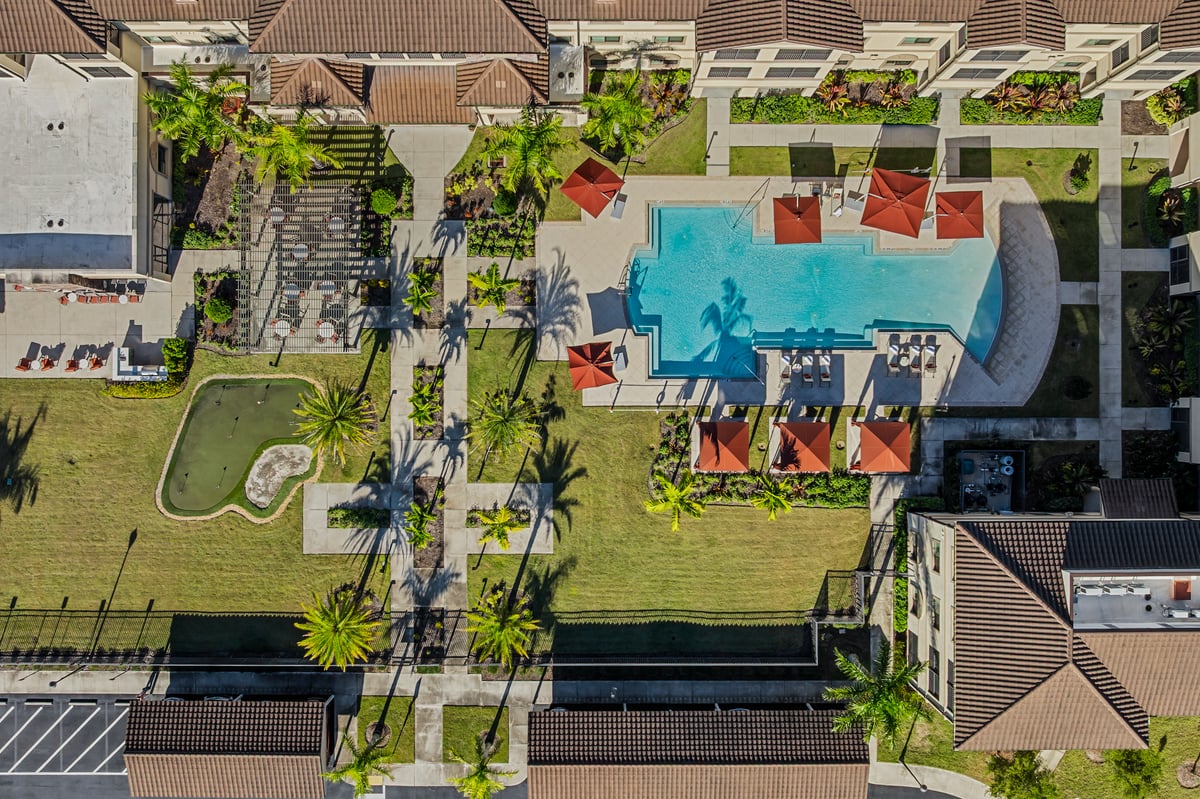
Secure outdoor areas with shade, seating, and natural light
Calm shared spaces for dining, conversation, and quiet time
Apartment homes that can include familiar furniture, photographs, and keepsakes
Thoughtful sensory details that reduce confusion and support recognition
Ask how the community responds to wandering, falls, emergencies, and changes in mobility. Review the available floor plans and pricing to understand apartment layouts and what is included.
As you walk through the community, observe whether residents appear comfortable, whether team members engage respectfully, and whether the setting feels organized without feeling restrictive.
Frequently Asked Questions
What Should Families Bring to a Memory Care Tour?
Bring a written question list, notes about your loved one’s routines and preferences, and information about current support needs. Taking notes immediately after each visit can make comparisons easier.
How Many Communities Should a Family Visit?
There is no required number. Visit enough communities to understand the differences in training, communication, programming, environment, and cost.
What Is the Most Important Question to Ask?
Ask how the community personalizes daily support as needs change. The answer often reveals how well the team knows residents and collaborates with families.
Choosing a memory care community takes time, observation, and honest discussion. Use these questions to compare options with greater clarity and focus on the setting where your loved one can feel known, respected, and supported.
Schedule a tour of Discovery Village Naples to meet the team and explore SHINE® Memory Care in person.